Election observation missions: what they are and why they matter
Written by Joaquín Aaron González / May 29, 2026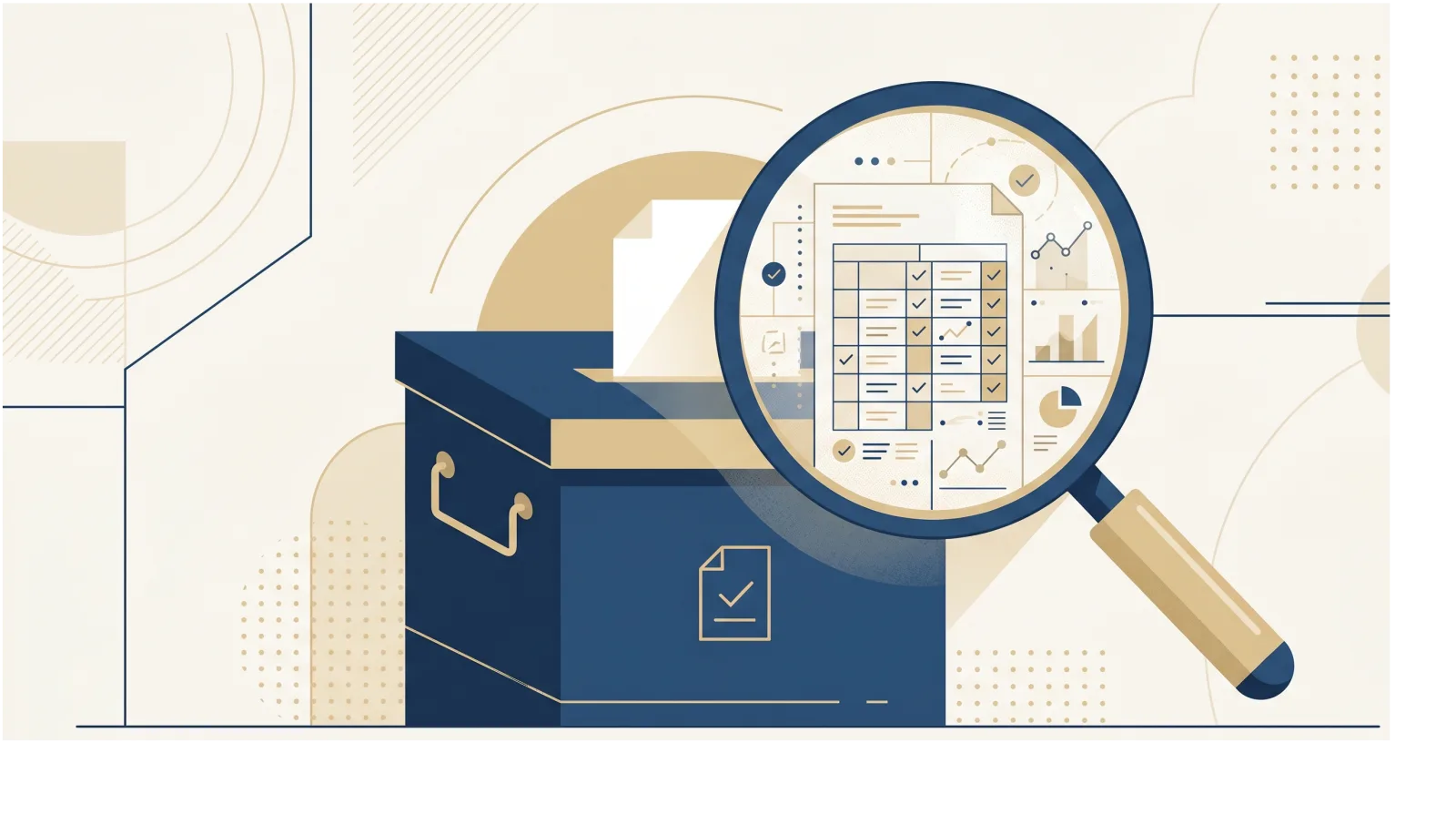
An election observation mission is a key mechanism for safeguarding the transparency and legitimacy of democratic processes. Learn what it involves, who participates and why its findings have real consequences.
Whenever elections are held anywhere in the world, some people's task is not to vote but to observe. They verify that the process is transparent, that the rules are followed and that the result genuinely reflects the will of the people. That is the role of an election observation mission.
What is an election observation mission?
An election observation mission is a group of national or international observers convened to monitor an electoral process impartially. Its main objective is to assess whether the election meets international democratic standards and the laws of the country where it takes place.
These missions may be deployed by international bodies such as the Organization of American States (OAS), the European Union or the United Nations, as well as by civil society organisations within the country.
What do election observers do?
Observers do not intervene in the process and have no decision-making authority. Their role is to record, document and report. They work before, during and after election day, covering issues such as the condition of the electoral roll, campaign conditions, access to the media, the opening and closing of polling stations, vote counting and the resolution of post-election disputes.
A mission is not made up only of diplomats. It brings together many different profiles: analysts specialising in political finance, electoral justice, media, electoral technology and the participation of vulnerable groups. Missions may also include lawyers, journalists, academics and representatives of civil society organisations. In some cases, serving parliamentarians even participate as mission leaders.
Their findings have real consequences
Election observation missions are more than a formality. Their reports have led to concrete and verifiable institutional changes.
A clear example occurred in Guatemala. Following an audit of the electoral roll prompted by OAS recommendations, more than 450,000 citizens who had not been registered were able to exercise their right to vote in the following elections. In addition, data from the National Registry of Persons was synchronised in real time with the Supreme Electoral Tribunal, so deaths and newly eligible 18-year-olds are now reflected automatically on the electoral roll.
The result is tangible: almost half a million people regained a right that, in practice, they had been unable to exercise.
Observing elections means defending human rights
On 27 October 2022, Mary Lawlor, UN Special Rapporteur on Human Rights Defenders, and Clément Nyaletsossi Voule, Special Rapporteur on the Rights to Freedom of Peaceful Assembly and of Association, issued a joint statement formally recognising election observers as human rights defenders. The reasoning is direct: political rights are human rights, so those who defend them in the field are human rights defenders as well.
The same statement warned of a significant increase in attacks against observers around the world, including harassment, defamation, arbitrary detention, physical violence and even killings. In several documented cases, these attacks were carried out by members of state security forces.